Introduction to Winter Jackets
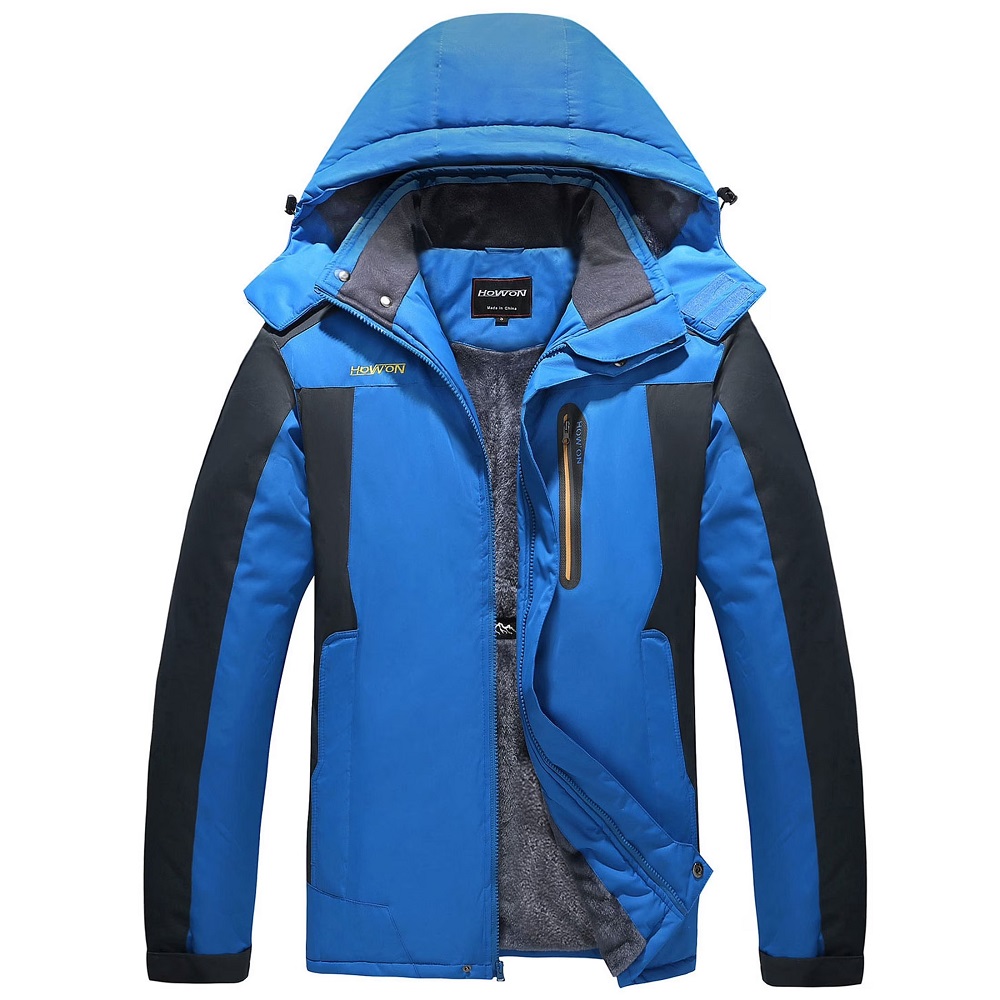
Winter jackets are essential for staying warm and comfortable during cold weather. With various styles and materials available, choosing the right jacket can significantly impact your experience during the winter months. The importance of insulation, fabric type, and overall design cannot be overstated when selecting a winter jacket. This article will explore the best materials for winter jackets, helping you make an informed decision for your cold-weather wardrobe.
As temperatures drop, the need for a quality winter jacket becomes paramount. The right jacket not only protects you from the elements but also enhances your outdoor experience, allowing you to enjoy winter activities comfortably. Understanding the properties of different materials used in winter jackets is crucial for selecting the perfect outerwear. Let’s dive into the world of winter jackets and discover how various materials can provide maximum warmth and comfort.
The Importance of Insulation
Understanding Insulation Types
Insulation is a crucial component of any winter jacket. It is what keeps you warm by trapping heat and preventing it from escaping. The most common types of insulation found in winter jackets are down and synthetic materials. Both options have their unique benefits and drawbacks.
Down insulation is made from the soft feathers of ducks or geese. It provides excellent warmth-to-weight ratio, meaning it is very lightweight while still being incredibly warm. However, down insulation can lose its insulating properties when wet, so it often requires careful maintenance.
On the other hand, synthetic insulation is made from materials such as polyester. This type of insulation tends to retain warmth better when wet and is often less expensive than down. Understanding these differences is crucial when selecting a jacket that meets your needs.
Warmth Retention
The primary goal of a winter jacket is to provide warmth. The effectiveness of a jacket’s insulation plays a significant role in how well it retains heat. Insulation works by trapping air within the material, which creates a barrier against the cold.
When selecting a winter jacket, consider the thickness and overall loft of the insulation. Thicker insulation typically provides more warmth, but it may also add weight to the jacket. Evaluating your specific needs, such as the climate you live in and your activities, will help you choose appropriately.
Breathability for Comfort
While warmth is essential, breathability must not be overlooked. A good winter jacket should allow for moisture to escape while keeping out the cold. If a jacket is not breathable, it can lead to overheating and discomfort, especially when engaging in physical activities.
Look for jackets with moisture-wicking linings or ventilation features. These aspects help regulate body temperature and keep you comfortable while moving. The balance between warmth and breathability is crucial for a successful winter outerwear experience.
Common Materials Used in Winter Jackets
1. Down Insulation
Down insulation is often celebrated for its exceptional warmth and lightweight properties. Jackets filled with down are often highly compressible, allowing for easy packing when traveling. Commonly used in high-end winter jackets, down is an excellent choice for areas with extremely low temperatures.
However, it is important to consider the fill power when selecting a down jacket. Fill power indicates the quality of the down, with higher numbers representing better insulation properties. The best down jackets feature fill powers ranging from 600 to 800. This ensures warmth without excessive weight.
2. Synthetic Insulation
Synthetic insulation is becoming increasingly popular among winter jackets. Made from polymers, synthetic materials like polyester mimic the insulating properties of down. They are particularly beneficial for wet environments, as they maintain warmth even when damp.
Several brands utilize unique technologies to create synthetic insulation that retains warmth and compressibility. This innovation allows synthetic jackets to offer performance comparable to down-filled options. Riders who frequently encounter moisture or unpredictable weather will find synthetic insulation to be a reliable choice.
3. Fleece Linings
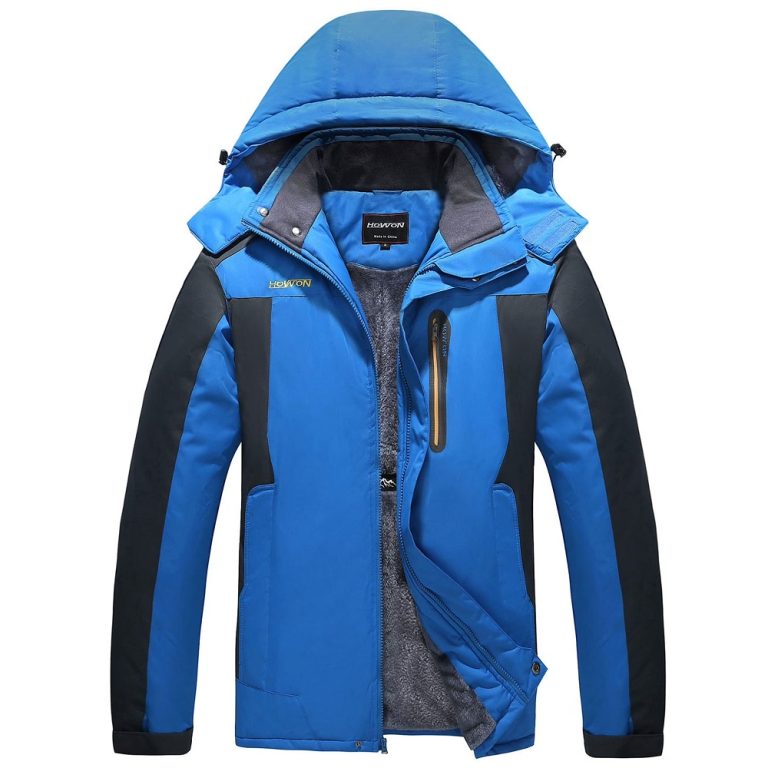
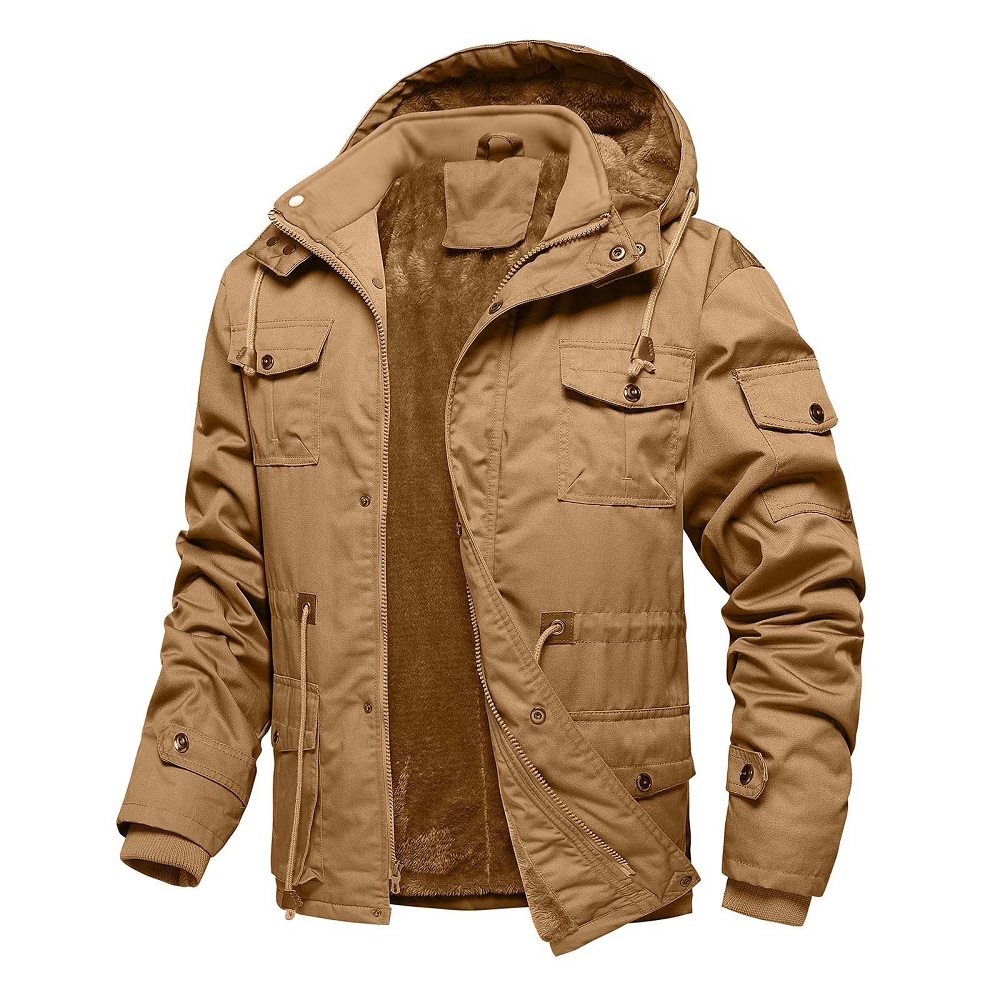
Fleece is a wonderful material often used for linings in winter jackets. Its soft and fluffy texture provides warmth and comfort. Employing fleece as a lining can enhance the overall coziness of the jacket, making it even more enjoyable to wear during cold months.
Fleece also offers decent breathability, allowing for proper ventilation. This aspect is beneficial, especially if you are engaging in physical activities while wearing the jacket. Consider jackets that feature fleece linings for added warmth and comfort.
Outer Fabric Matters
1. Waterproof Materials
For winter jackets, having a waterproof outer layer is crucial. Whether snow, rain, or sleet, staying dry is key to staying warm. Jackets made from materials such as Gore-Tex or other waterproof fabrics are designed to keep moisture out while allowing sweat to escape.
When selecting a winter jacket, look for options with sealed seams, which further enhance waterproof capabilities. A waterproof jacket protects you from the elements and prolongs the life of the insulation. This feature is often a deciding factor for those who spend significant time outdoors in winter conditions.
2. Windproof Fabrics
In addition to waterproof capabilities, windproof properties are essential for winter jackets. Wind can significantly chill the body, leading to discomfort and heat loss. Fabrics engineered to be windproof help block cold air from penetrating the jacket, keeping you warmer.
Many winter jackets utilize materials specifically designed to resist wind, often incorporating features like lamination or advanced fabric technology. By preventing wind from seeping through, you can maintain warmth more effectively. When shopping for jackets, prioritize those with both waterproof and windproof features.
3. Breathable Outer Layers
While protection from rain and wind is essential, breathability in the outer layer of a winter jacket cannot be ignored. Breathable fabrics help regulate body temperature by allowing moisture to escape while keeping the elements out. This is particularly beneficial during physical activities such as hiking or skiing.
When looking for breathable jackets, consider options with ventilation features like zippers or mesh panels. These elements contribute to improved airflow and comfort during warm and active conditions. Achieving a balance between protection and breathability is crucial for an optimal wearing experience.
Popular Styles of Winter Jackets
1. Parkas
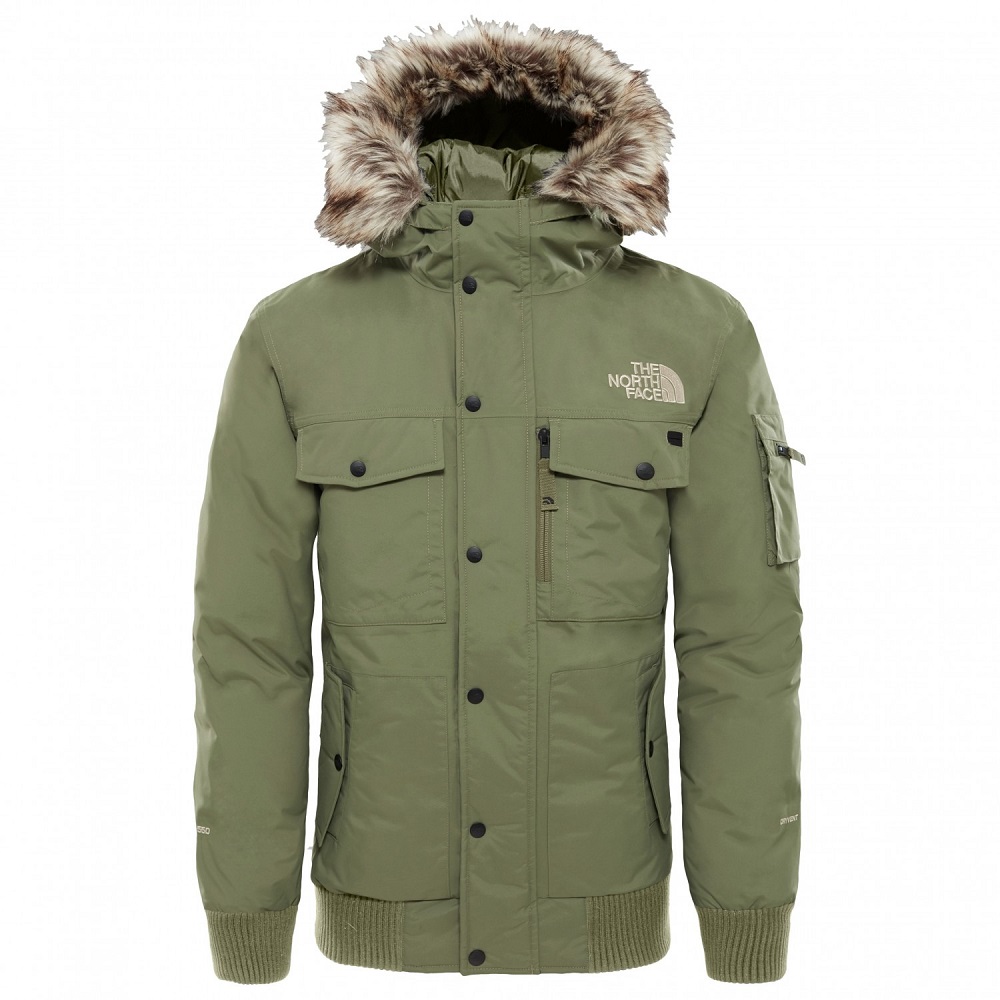
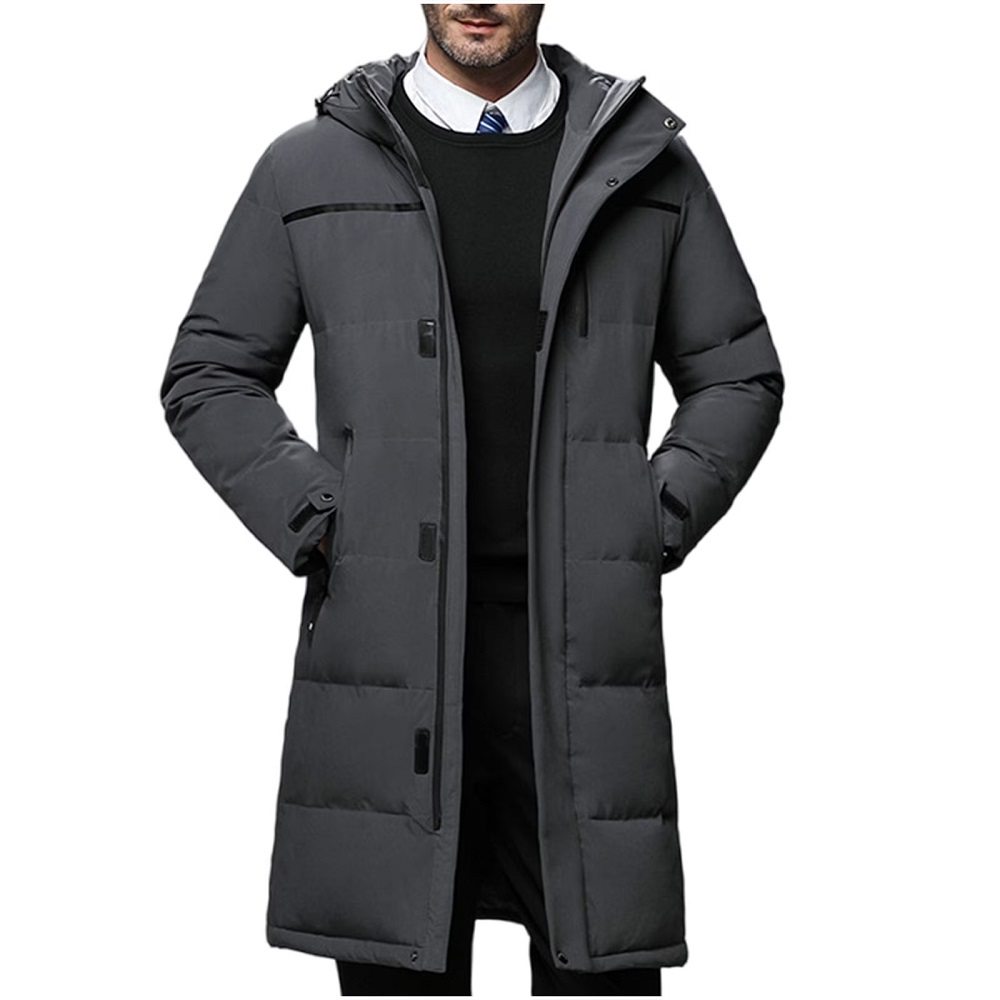
Parkas are a popular choice for extreme cold weather. Typically longer and insulated, they provide full coverage of the body, ensuring maximum warmth. Many parkas come with hoods that offer additional protection against wind and cold.
Due to their insulating properties and longer length, parkas are perfect for urban environments and outdoor adventures alike. Pairing them with quality gloves and hats enhances the overall warmth and makes them ideal for winter activities. This style continues to be a favorite among cold-weather enthusiasts.
2. Puffer Jackets
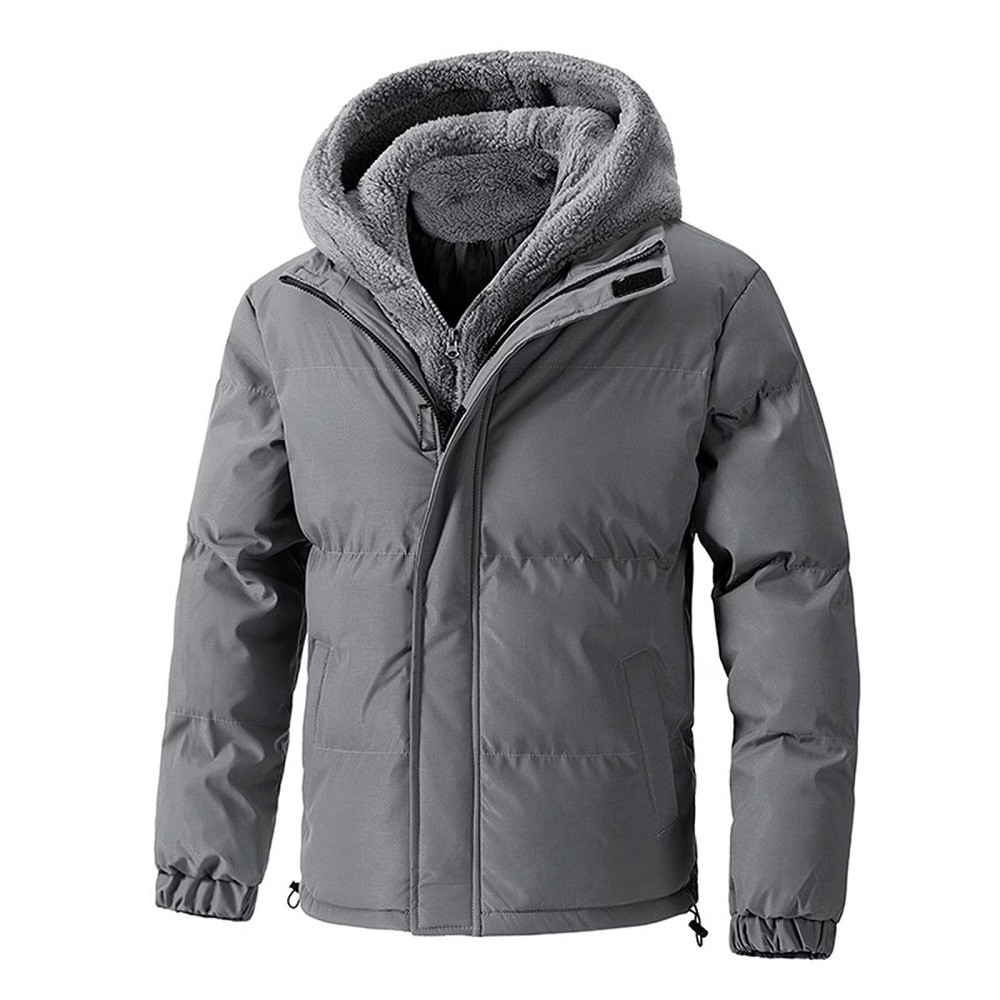
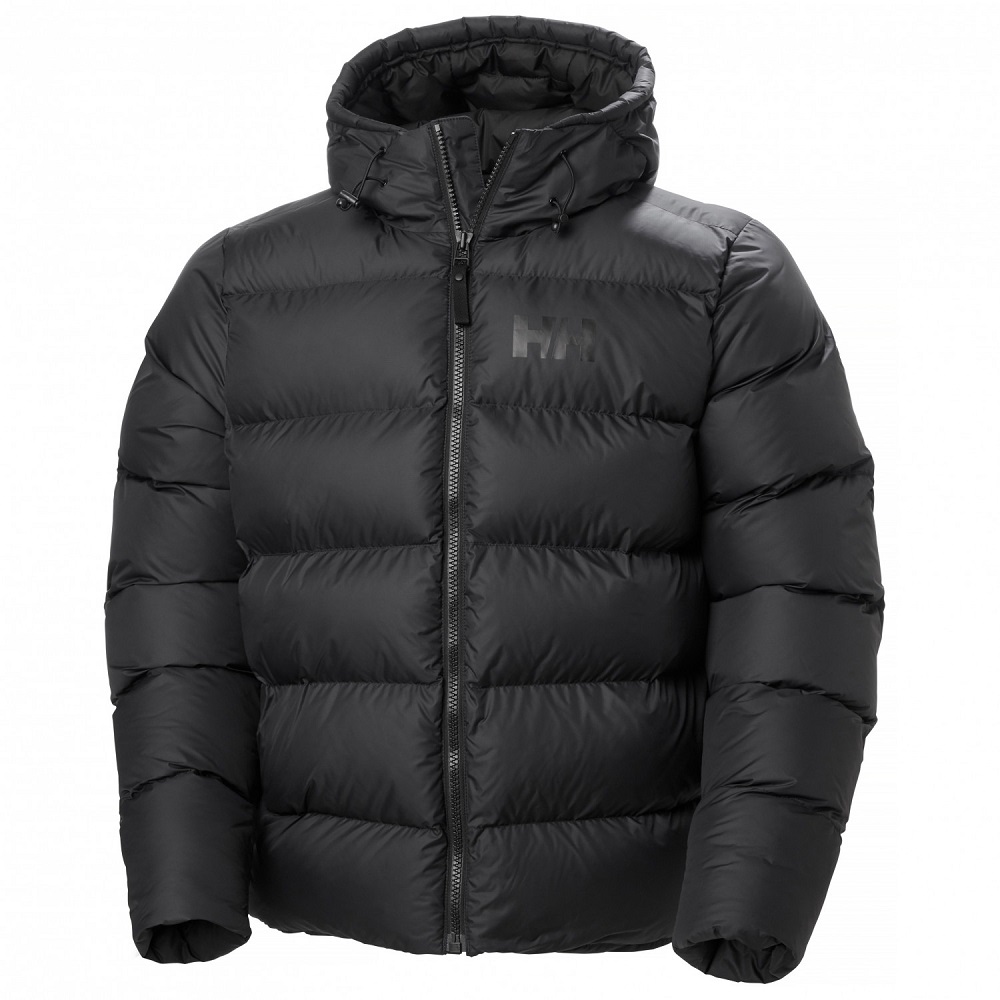
Puffer jackets have gained popularity due to their unique construction and warmth. These jackets feature quilted sections filled with insulation, often down or synthetic materials, creating a fluffy appearance. The loftiness contributes to excellent warmth while remaining lightweight.
Puffer jackets are versatile and can be worn for casual outings or during more active pursuits. Many styles are designed to compress easily, making them convenient for packing and traveling. This adaptability appeals to travelers looking for stylish options that offer warmth and comfort.
3. Technical Jackets
Technical jackets are designed specifically for outdoor activities, often featuring specialized fabrics and construction techniques. These jackets prioritize performance, making them ideal for hiking, skiing, and snowboarding. They often include features like waterproofing, breathability, and adjustable elements for a customizable fit.
While their functionality is a major draw, many technical jackets also possess sleek designs that cater to modern aesthetics. This blend of style and performance ensures that wearers can feel good while engaging in outdoor adventures. Technical jackets are often a wise investment for active individuals.
Accessorizing Your Winter Jacket
1. Scarves and Hats
Accessories play a significant role in your overall winter outfit. Pairing your winter jacket with a cozy scarf adds warmth and style. Choose scarves in complementary colors or patterns that enhance the jacket’s look.
Warm hats are another essential accessory during colder months. Opt for styles that offer a snug fit to cover your ears effectively. Many people appreciate beanies or knitted hats that provide both warmth and flair. Properly chosen accessories can elevate your entire winter look.
2. Gloves and Mittens
Keeping your hands warm is crucial during winter. Select high-quality gloves or mittens that match the style of your winter jacket. Leather gloves offer a sophisticated touch, while insulated mittens provide extra warmth for frigid temperatures.
Choose gloves that feature touchscreen compatibility if you frequently use your smartphone during winter outings. Being able to operate your devices without removing your gloves adds convenience in cold weather. Properly selected handwear enhances your comfort and keeps you looking stylish.
3. Footwear Choices
The right footwear is essential for completing your winter wardrobe. Depending on the conditions, consider waterproof boots that provide both warmth and style. Insulated options are ideal for snowy or wet weather, ensuring that your feet remain cozy and dry.
Choose boots that offer good traction to prevent slips on icy surfaces. Pairing your boots with warm socks adds another layer of comfort. Select footwear that complements your winter jacket and enhances your overall outfit, creating a cohesive look.
Customer Reviews and Insights
Positive Experiences
Many customers have expressed satisfaction with their winter jackets, praising their warmth and functionality. Riders often highlight the comfort factor, emphasizing the value of high-quality materials in enhancing their winter experience. Positive feedback commonly mentions how well-designed jackets perform in various weather conditions.
Consumers appreciate jackets that provide a good balance between warmth and breathability, allowing them to stay comfortable during active pursuits. Many reports indicate that high-quality jackets stand the test of time, maintaining their appearance and performance through multiple winters.
Constructive Criticism
While positive reviews abound, some customers provide constructive criticism regarding sizing and fit. Several riders mention that jacket sizes can vary across brands, making it important to check sizing charts before making a purchase. Trying on jackets in-store can help ensure proper fit.
Additionally, some users have encountered issues with specific features, such as zippers or pockets not functioning as expected. Addressing these issues is crucial for maintaining customer satisfaction and ensuring the functionality of winter jackets.
Building Brand Loyalty
The quality associated with specific brands fosters strong loyalty among customers. Many individuals express a preference for brands that consistently deliver high-quality winter jackets. Positive experiences lead to repeat purchases and recommendations, reinforcing brand loyalty.
Brands that prioritize customer engagement and value feedback often see stronger loyalty from consumers. This connection encourages repeat purchases and creates a positive reputation in the market. Engaging with customers and addressing concerns can build lasting relationships.
Conclusion: Choosing the Right Winter Jacket
Finding the perfect winter jacket is an essential task for anyone living in colder climates. With the right materials, styles, and features, you can discover a jacket that provides warmth, comfort, and style. Understanding the various options available will help you make informed choices regarding your winter gear.
Investing in a quality winter jacket ensures that you stay warm and comfortable during the cold months ahead. Look for features such as insulation, waterproofing, breathability, and fit to enhance your overall experience, especially if you’re wondering, can you run in a winter jacket? Embrace the benefits of a well-chosen jacket, which allows for both warmth and mobility, as you navigate through winter weather.
The right winter jacket can elevate your comfort and style, allowing you to enjoy outdoor activities without sacrificing appearance. With careful consideration of fabrics and designs, you can find a piece that reflects your personal style and meets your practical needs.
Ultimately, a well-chosen winter jacket is more than just an item of clothing. It represents a commitment to comfort, protection, and stylish living. Enjoy every moment of your winter adventures with a reliable jacket that supports your lifestyle. Embrace the season and its opportunities, knowing you are equipped with the perfect winter outerwear.