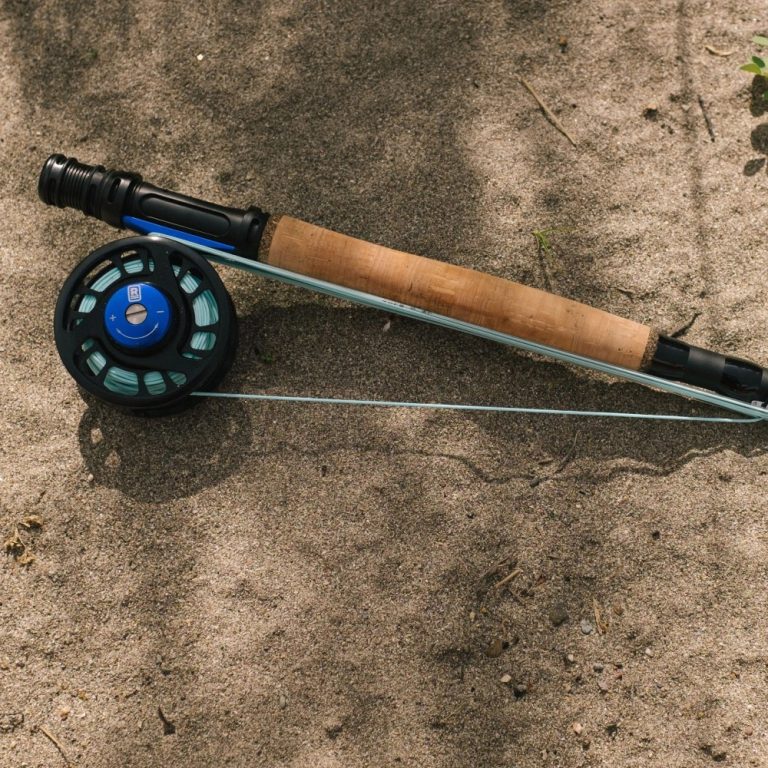
Are telescopic fishing rods good? This question comes up frequently among anglers of all levels. Whether you’re just starting out or have years of experience, portability and performance matter. Telescopic fishing rods offer a compact design that collapses into a much shorter length. As a result, they are easy to carry and store. Many people use them for travel, hiking, or spontaneous fishing trips. Their ability to fit in small bags makes them highly convenient.
Moreover, these rods have improved significantly over the past decade. Early models were often seen as flimsy or unreliable. However, modern materials like carbon fiber and advanced graphite blends changed that perception. Today’s versions deliver sensitivity, strength, and flexibility. They can handle various fish species and water conditions. In addition, their quick setup time appeals to those who value efficiency. Therefore, it’s worth exploring whether telescopic fishing rods truly live up to expectations.
 Understanding How Telescopic Fishing Rods Work
Design and Mechanism Behind the Collapse Feature
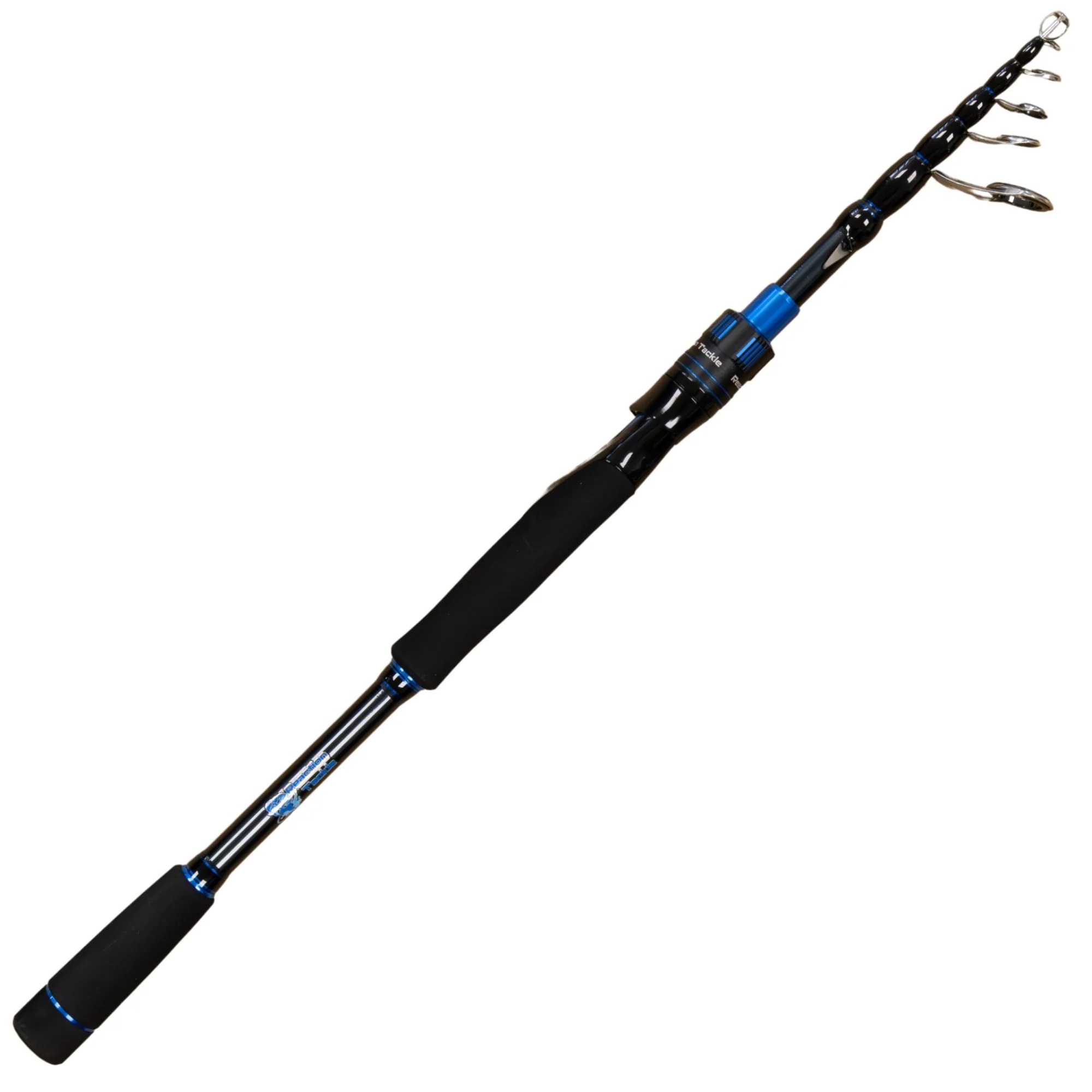
Are telescopic fishing rods good? Telescopic fishing rods consist of multiple rod sections that slide into one another. Each section fits snugly inside the next larger one. When extended, they lock into place using ferrules or twist-lock mechanisms. This allows the rod to reach its full casting length. Most models range from 5 to 9 feet when fully assembled. After fishing, users simply unlock and collapse the sections back into a compact form.
This design makes transportation far easier than with traditional two-piece rods. There’s no need for large cases or special storage. Anglers can slip a collapsed telescopic rod into a backpack, car door, or even a bike pouch. Consequently, spontaneous fishing opportunities become more accessible. Hikers, campers, and urban fishermen benefit greatly from this convenience.
Additionally, the internal structure uses high-tensile materials. These ensure durability despite repeated extension and retraction. Engineers focus on balancing flexibility with stiffness. Too stiff, and the rod loses sensitivity. Too flexible, and it risks breaking under pressure. As a result, manufacturers test each model extensively before release.
Furthermore, many rods include anti-rotation guides. These prevent the inner sections from twisting during use. Such features enhance casting accuracy and line control. Overall, the engineering behind telescopic rods combines innovation with practicality. Their functionality continues to evolve with user feedback and material science.
Advantages of Using a Telescopic Fishing Rod
Why Portability and Simplicity Win for Many Anglers
One major advantage is unmatched portability. Telescopic fishing rods collapse down to a fraction of their size. Some measure less than 20 inches when packed. This compactness makes them ideal for travelers and city dwellers. You can take them on planes, trains, or long drives without hassle. Therefore, carrying a full-sized rod is no longer necessary.
Another benefit is ease of setup. Most models require less than a minute to assemble. Simply pull out each section and lock it into place. There are no separate pieces to misplace or mismatch. Hence, beginners find them intuitive and stress-free. Even experienced anglers appreciate the speed during fast transitions.
Storage is also simpler compared to multi-piece rods. They occupy minimal space at home or in vehicles. No bulky rod tubes cluttering closets or trunks. Moreover, they reduce the risk of damage during transport. Without exposed joints, there’s less chance of snapping tips.
They also encourage more frequent fishing. Since they’re so easy to bring along, people tend to use them more often. Spontaneous trips to lakes, rivers, or piers become realistic. Over time, this increases practice and skill development. Thus, convenience leads to better engagement with the sport.
Finally, affordability plays a role. While premium options exist, many quality telescopic rods are budget-friendly. Newcomers can start without heavy investment. Later, they may upgrade based on experience. This low barrier to entry supports wider participation in angling.
 Potential Drawbacks to Consider Before Buying
Limitations in Performance and Durability
Despite their benefits, telescopic fishing rods do have some downsides. One concern is reduced sensitivity compared to one-piece rods. Because of the segmented construction, vibrations from bites may weaken. As a result, subtle nibbles might go unnoticed. This could affect success rates, especially in still waters.
Another issue involves structural integrity. Repeated collapsing and extending can wear down the joints. Sand, dirt, or saltwater may enter the sections if not cleaned properly. Over time, this causes friction or jamming. In extreme cases, a section might get stuck or fail to extend fully.
Power and backbone are also points of debate. Heavy-duty fishing requires strong rods capable of fighting large fish. Some telescopic models lack the spine needed for bass, pike, or saltwater species. Applying too much pressure might lead to bending or cracking. Therefore, matching the rod to target fish is essential.
Weight distribution differs from traditional rods too. The center of gravity shifts due to overlapping sections. This imbalance may cause fatigue during long sessions. Cast accuracy can suffer as a result. Anglers used to balanced gear might feel discomfort at first.
Additionally, replacement parts are harder to find. If a tip breaks or a guide falls off, finding an exact match takes effort. Manufacturers don’t always offer spare components. Repairing becomes difficult, sometimes making replacement the only option.
Nonetheless, awareness of these limitations helps buyers make informed choices. Knowing when to use a telescopic rod prevents frustration later. With proper care and realistic expectations, most drawbacks can be managed.
Who Should Use a Telescopic Fishing Rod?
Matching the Right User to the Right Tool
Telescopic fishing rods suit specific types of anglers best. First-time fishermen benefit from their simplicity. Without complex assembly, beginners avoid early frustrations. Learning casting techniques becomes smoother. Confidence builds faster when equipment works reliably.
Travelers and adventurers are another ideal group. Backpackers, cyclists, and international tourists value compact gear. Carrying a full rod overseas is impractical. Airlines impose strict limits on sports equipment. A telescopic rod often fits within carry-on allowances. Thus, it removes logistical barriers.
Urban anglers also gain advantages. City residents may live near ponds, canals, or piers. Yet storage space is limited in apartments. A collapsible rod stores easily under a bed or in a closet. It enables quick access whenever free time appears. Impromptu fishing after work becomes possible.
Seniors or those with mobility challenges find them helpful too. Limited trunk space or difficulty handling long items affects many. A short, lightweight rod eases loading and unloading. It reduces physical strain during transport and use.
However, professional guides or tournament fishers may prefer other options. High-performance demands require maximum sensitivity and power. Custom-built rods often serve better in competitive settings. That said, even experts keep telescopic rods for casual days.
Students and youth programs use them widely. Schools and clubs need durable, affordable gear. Easy storage means more rods fit in vans or storage rooms. Supervisors spend less time managing equipment. Safety improves since there are fewer loose parts.
Ultimately, identifying your needs determines suitability. Ask yourself: Do I prioritize convenience over peak performance? Will I fish casually or pursue trophy catches? Answering honestly guides the right decision.
 How to Choose the Best Telescopic Fishing Rod
Key Factors to Evaluate Before Purchase
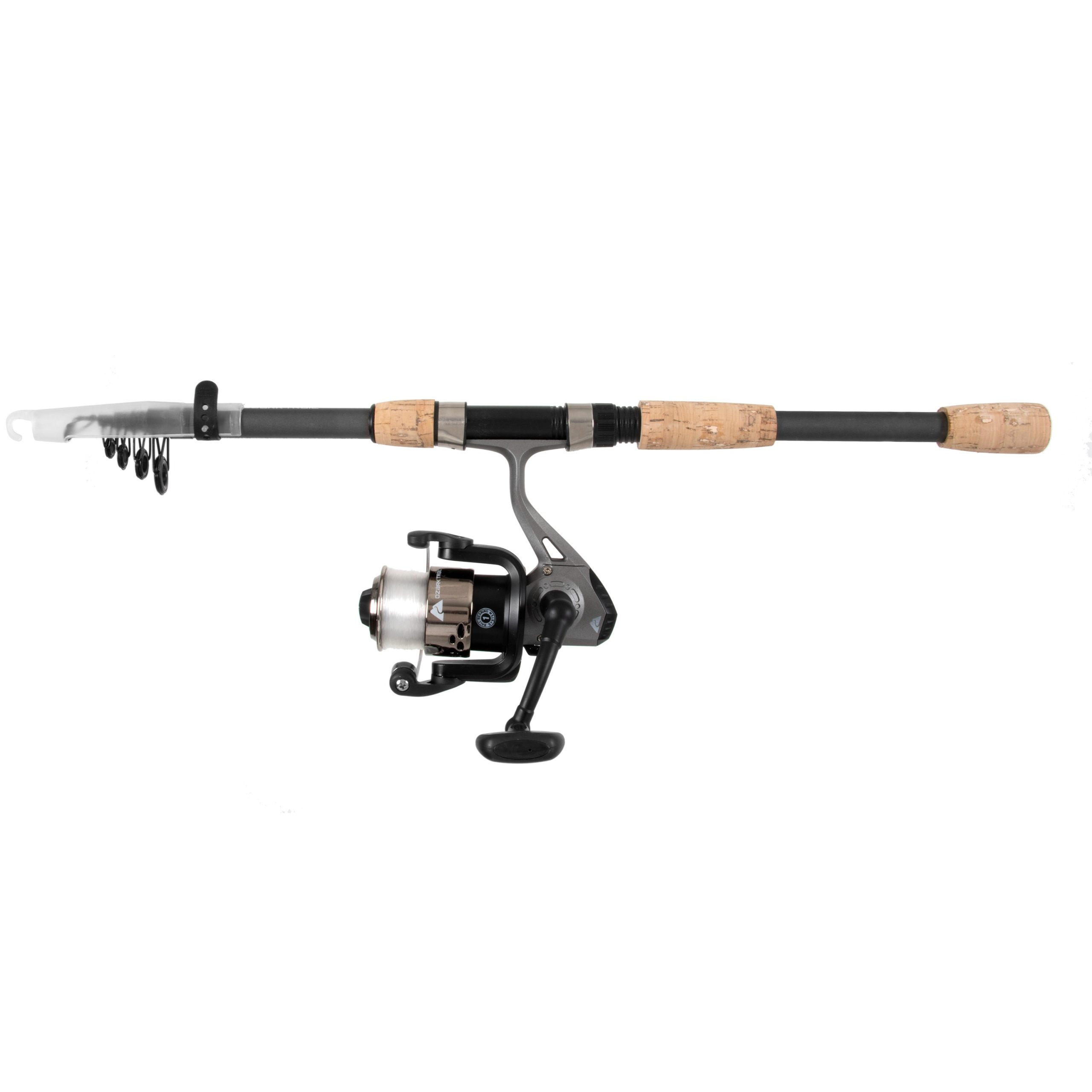
Start by considering the rod length when extended. Shorter rods (5–6 feet) work well in tight spaces. They excel in urban environments or small boats. Longer ones (7–9 feet) increase casting distance and line control. Choose based on where you plan to fish most.
Next, examine the material composition. Carbon fiber offers lightness and responsiveness. Graphite provides good sensitivity and moderate strength. Composite blends balance cost and performance. Avoid cheap fiberglass unless budget is extremely tight.
Action and power ratings matter too. Fast action rods bend near the tip. They respond quickly to bites and set hooks efficiently. Medium or slow actions flex further down the shaft. These absorb stronger pulls, ideal for unpredictable fish.
Check the reel seat quality. It must hold the reel firmly without wobbling. Aluminum or graphite seats last longer than plastic ones. Also, ensure the trigger grip feels comfortable in hand. Ergonomic designs reduce hand fatigue over hours.
Look at the number and placement of guides. More guides improve line flow and reduce friction. Ceramic or stainless steel eyes resist corrosion. Saltwater anglers should prioritize anti-rust materials. Freshwater users have more flexibility.
Pay attention to locking mechanisms. Twist locks are common but can loosen mid-cast. Push-button systems offer quicker deployment. Some high-end models use hybrid solutions. Test stability before buying.
Lastly, read customer reviews carefully. Real-world feedback reveals hidden flaws. Look for comments about durability, ease of cleaning, and long-term use. Price shouldn’t be the only deciding factor. Invest in reliability for lasting enjoyment.
 Frequently Asked Questions About Telescopic Fishing Rods
Common Concerns Answered Clearly
Can telescopic rods handle big fish? Yes, but only if rated for it. Check the line weight and lure rating. Light rods suit panfish and trout. Medium-heavy models tackle bass or redfish. Never exceed recommended limits.
Do they break easily? Not if handled correctly. Dropping them on hard surfaces increases risk. Always clean sand and debris after use. Rinse with fresh water, especially after salt exposure.
How long do they last? With proper care, many last 3–5 years. Regular maintenance extends lifespan. Store them dry and fully collapsed. Avoid leaving them extended for weeks.
Can I replace broken parts? Sometimes. Tips and guides may be replaceable. Internal sections rarely are. Contact the manufacturer first. Keep original packaging for warranty claims.
Are they good for kids? Absolutely. Lightweight models are easy to manage. Supervise assembly to prevent forcing sections. Teach gentle handling early.
Do they cast as well as regular rods? Generally yes, but accuracy varies. Practice improves results. Wind conditions affect all rods equally. Start with lighter lures to build skill.
Is setup complicated? No, most take under a minute. Follow the numbered sequence on each section. Align guides in a straight line. Lock each part securely before casting.
These answers address real concerns. Knowledge helps users get the most from their gear. Understanding capabilities prevents disappointment.
 Final Thoughts: Are Telescopic Fishing Rods Good for You?
Making an Informed Decision Based on Lifestyle
In summary, the question “are telescopic fishing rods good” depends on personal needs. For casual, mobile, or beginner anglers, the answer is clearly yes. Their portability, ease of use, and growing reliability make them excellent choices. Advances in design have closed the gap with traditional rods.
They empower more people to enjoy fishing regularly. No longer must enthusiasts own garages full of gear. A single, compact rod opens doors to nature. Weekend trips, lunch breaks by the river, or vacation excursions become feasible.
Moreover, sustainability improves when gear lasts longer and gets used more. Fewer unused rods end up in storage or landfills. Responsible consumption aligns with modern values. Choosing practical tools supports this shift.
Therefore, are telescopic fishing rods good? The evidence says yes—for the right user. Match your lifestyle, fishing style, and expectations. Then decide. With proper selection and care, one can deliver years of reliable service.
Embrace the freedom they offer. Explore new spots. Fish more often. Let convenience remove barriers. Ultimately, the joy of catching fish matters most. And a good telescopic rod can help you get there.