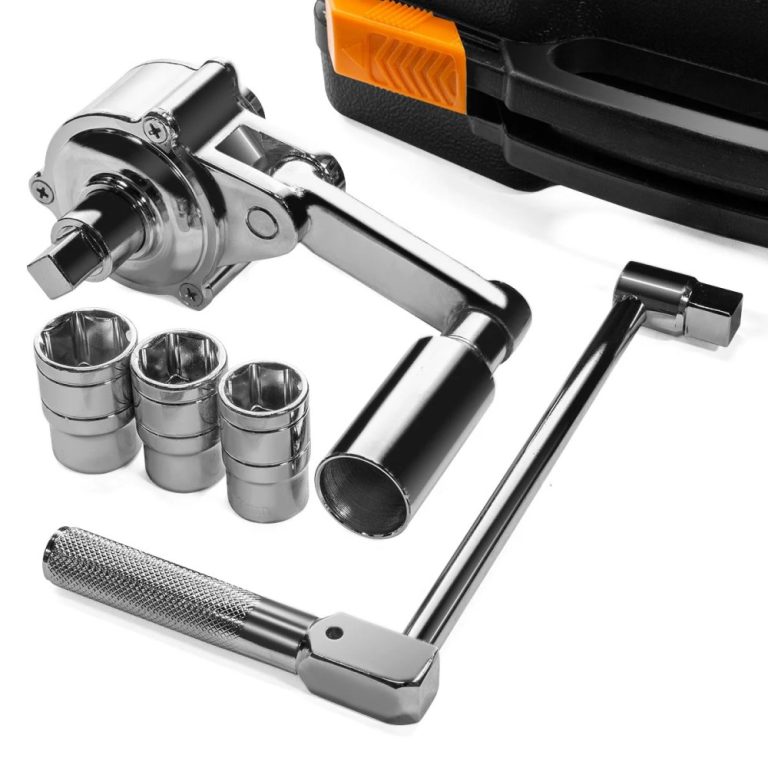
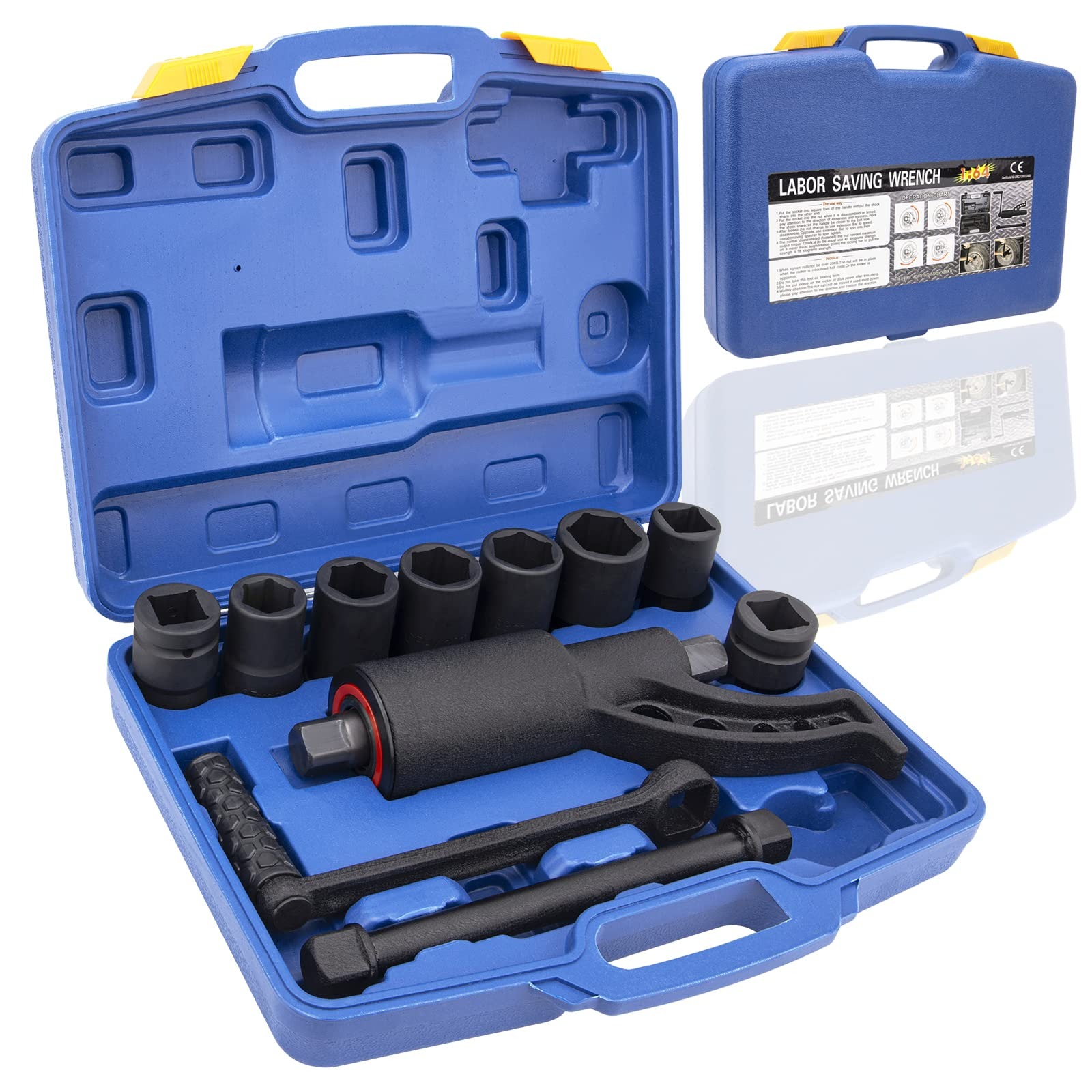
When working with large bolts, industrial machinery, or heavy vehicles, standard tools often fall short. That’s where a torque multiplier wrench becomes essential. This powerful device increases manual force without requiring electricity or air pressure. It allows users to apply high levels of torque safely and efficiently.
Moreover, the torque multiplier wrench is widely used in automotive repair, wind energy, marine engineering, and construction. Its ability to multiply input force by 3x, 5x, or even 10x makes it ideal for tight spaces or stubborn fasteners. Therefore, understanding how it works, its benefits, and proper use can significantly improve your work outcomes.
 How a Torque Multiplier Wrench Works Mechanically
The Role of Planetary Gears in Force Amplification
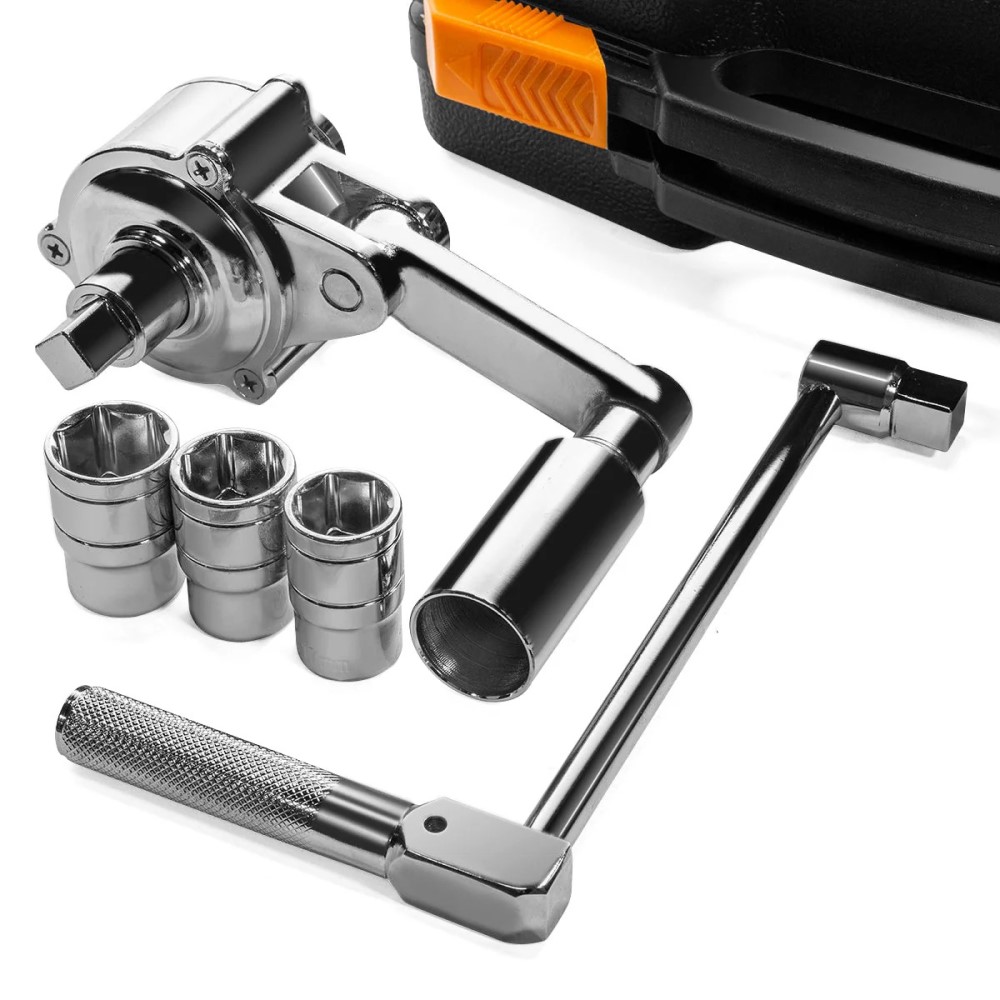
At the heart of every torque multiplier wrench lies a planetary gear system. This design uses multiple gears arranged around a central sun gear. As you turn the handle, the input force drives the sun gear forward.
The surrounding planet gears rotate in sync. They transfer motion to an outer ring gear that remains fixed. Because the ring gear cannot move, the force redirects through the carrier arm. This action multiplies the output torque at the square drive end.
For example, a 5:1 ratio means every 20 pounds of input creates 100 pounds of output. This mechanical advantage reduces physical strain on the user. You achieve high tightening values without jumping on a breaker bar.
Additionally, this system operates smoothly with minimal backlash. High-quality models use hardened steel gears. These resist wear and maintain accuracy over time. Lubrication ensures long-term performance.
Unlike impact tools, torque multipliers deliver steady, controlled force. There are no sudden jolts. This protects both the fastener and the operator.
As a result, precision increases. Users meet exact torque specifications without guesswork.
This makes the torque multiplier wrench perfect for critical applications.
Common Applications Across Industries
Where High Torque Without Power Tools Is Essential
The torque multiplier wrench serves many industries where space, safety, or regulations limit tool options. In offshore oil rigs, sparks from electric or pneumatic tools pose explosion risks. A manual torque multiplier eliminates that danger.
Wind turbine maintenance teams rely on them regularly. Technicians climb tall towers where carrying compressors is impractical. With a compact multiplier, they secure massive hub bolts using only hand power.
Automotive shops use these tools during engine rebuilds. Cylinder head bolts require precise, high-torque settings. Over-tightening causes cracks. Under-tightening leads to leaks. A torque multiplier ensures consistency.
Heavy truck fleets depend on them for wheel nut tightening. Large semi-trailers have dual wheels with deep lug patterns. Access is limited. A long extension bar won’t fit. A compact multiplier reaches easily and applies full force.
Railway engineers use torque multipliers on railcar couplings and brake systems. These parts endure extreme stress. Proper torque prevents failures on the track.
Marine mechanics install propellers and shaft couplings below deck. Tight quarters make powered tools difficult. A torque multiplier wrench fits into narrow spaces. It delivers reliable results without extra equipment.
Even aerospace ground crews use them for landing gear checks. Safety-critical joints must meet strict standards. Manual control beats unpredictable impacts.
 Benefits of Using a Torque Multiplier Over Other Tools
Why Manual Force Multiplication Beats Impacts and Extensions
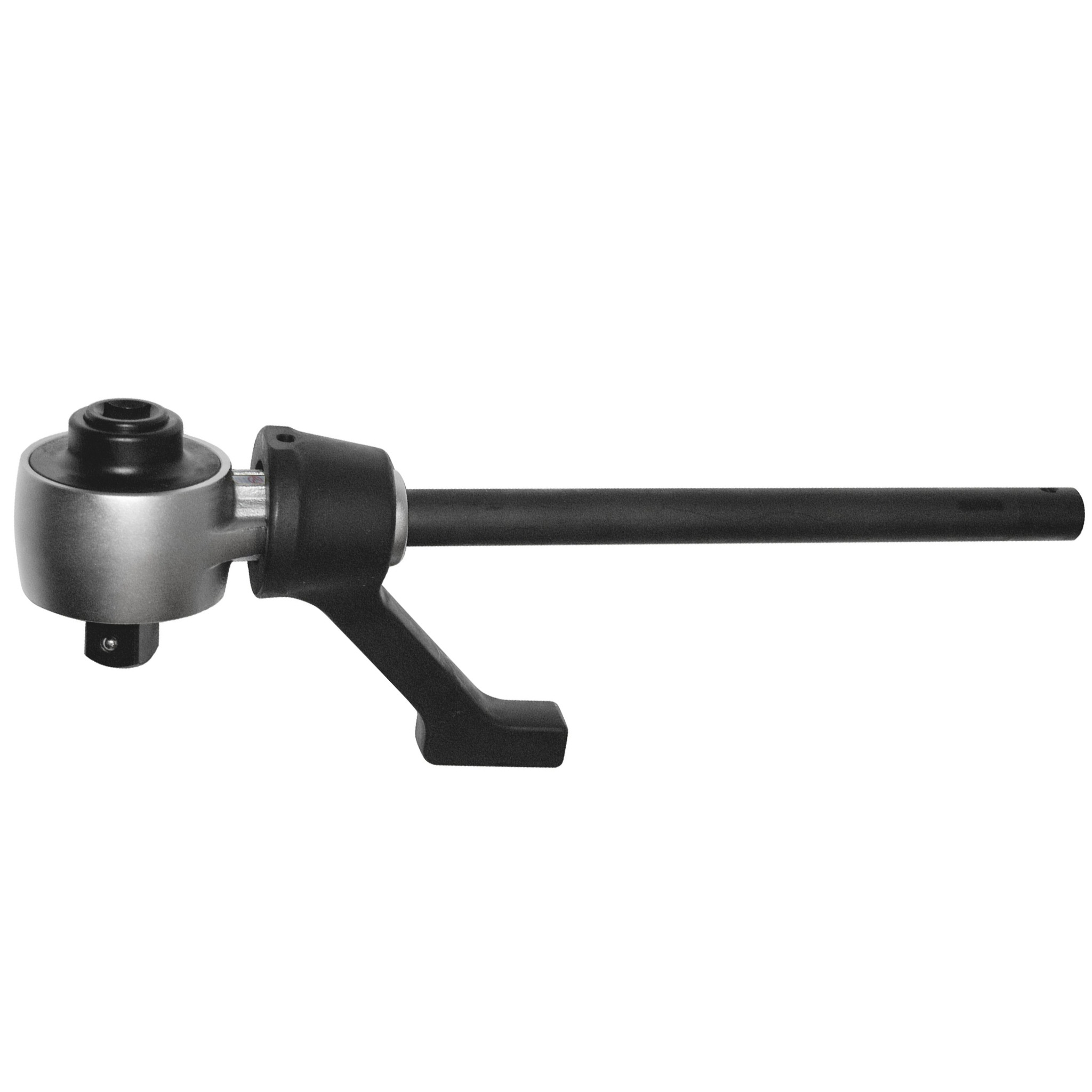
One major benefit of the torque multiplier wrench is control. Unlike impact wrenches, it doesn’t hammer the fastener. This preserves bolt integrity. Threads remain undamaged. Repeated loosening and tightening cause less wear.
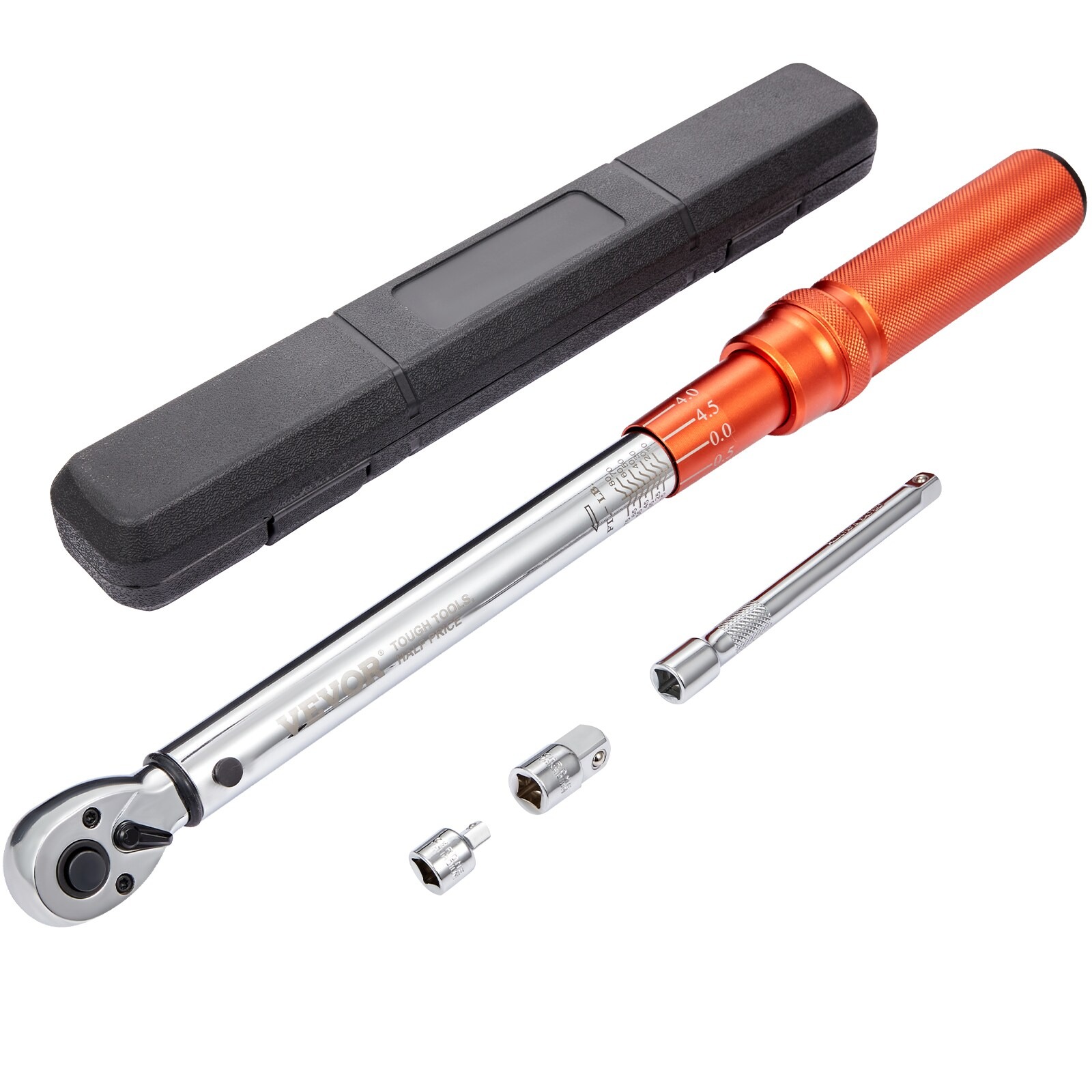
It also improves accuracy. When paired with a dial or digital torque wrench, users hit exact specs. Extensions or cheater bars offer no such precision. They increase force unpredictably.
Safety is another key factor. Impact tools generate high recoil. Operators risk wrist or shoulder injuries. A torque multiplier applies smooth, linear force. The risk of sudden movement drops dramatically.
Portability adds to its appeal. No hoses, cords, or batteries are needed. Workers carry it in a bag or tool chest. It’s ready to use anywhere—on rooftops, inside tanks, or underground vaults.
Space efficiency matters too. In confined areas, long breaker bars won’t fit. A short-handled multiplier achieves the same result. Its compact size allows access where larger tools fail.
It requires less physical effort. Users avoid jumping, pulling, or bracing against walls. This reduces fatigue during repetitive tasks. Long shifts become more manageable.
Finally, it extends tool life. Bolts, nuts, and joints last longer when tightened correctly. Maintenance intervals increase. Downtime decreases.
All these advantages make the torque multiplier wrench a smart investment.
Types of Torque Multiplier Wrenches Available
Comparing Fixed Ratio, Adjustable, and Compact Models
Several types of torque multiplier wrenches exist to suit different needs. The most common is the fixed-ratio model. These come in set multiples like 4:1, 5:1, or 6:1. Each unit delivers consistent amplification. They are durable and easy to calibrate.
Adjustable ratio models offer flexibility. You change the gear setting to alter output. One tool can handle multiple torque ranges. However, they may sacrifice some durability due to added complexity.
Compact versions are designed for tight spaces. Their short body length fits between closely spaced bolts. Some are under six inches long. Yet they still deliver up to 4x multiplication.
High-torque models go beyond 10:1 ratios. These are used for extremely large fasteners. Examples include ship propeller mounts or bridge support beams. Input force stays low while output reaches thousands of foot-pounds.
Reverse-action multipliers allow loosening as well as tightening. They include a simple switch to reverse gear direction. This avoids needing separate tools for disassembly.
Some models feature quick-release drives. Swapping sockets takes seconds. Magnetic or pin-lock mechanisms hold attachments securely.
Digital-readout versions are emerging. These integrate sensors to show real-time torque. While rare, they blend old-school mechanics with modern feedback.
Choosing the right type depends on your job scope and workspace.
 Proper Use and Safety Tips for Maximum Efficiency
Step-by-Step Guidance for Safe Operation
Using a torque multiplier wrench safely starts with inspection. Check gears, housing, and drive connections before each use. Look for cracks, dents, or worn teeth. Damaged units can fail under load.
Always secure the reaction arm. This part resists rotation during use. It must rest against a solid surface. Never hold it by hand. Sudden force could twist your wrist or throw you off balance.
Position the tool so the reaction arm contacts a stable point. Use pads or brackets if needed. Ensure the contact area won’t slip or break.
Apply steady, even pressure to the handle. Do not jerk or yank. Smooth input produces accurate output. Stop if you hear grinding or feel resistance. Something may be misaligned.
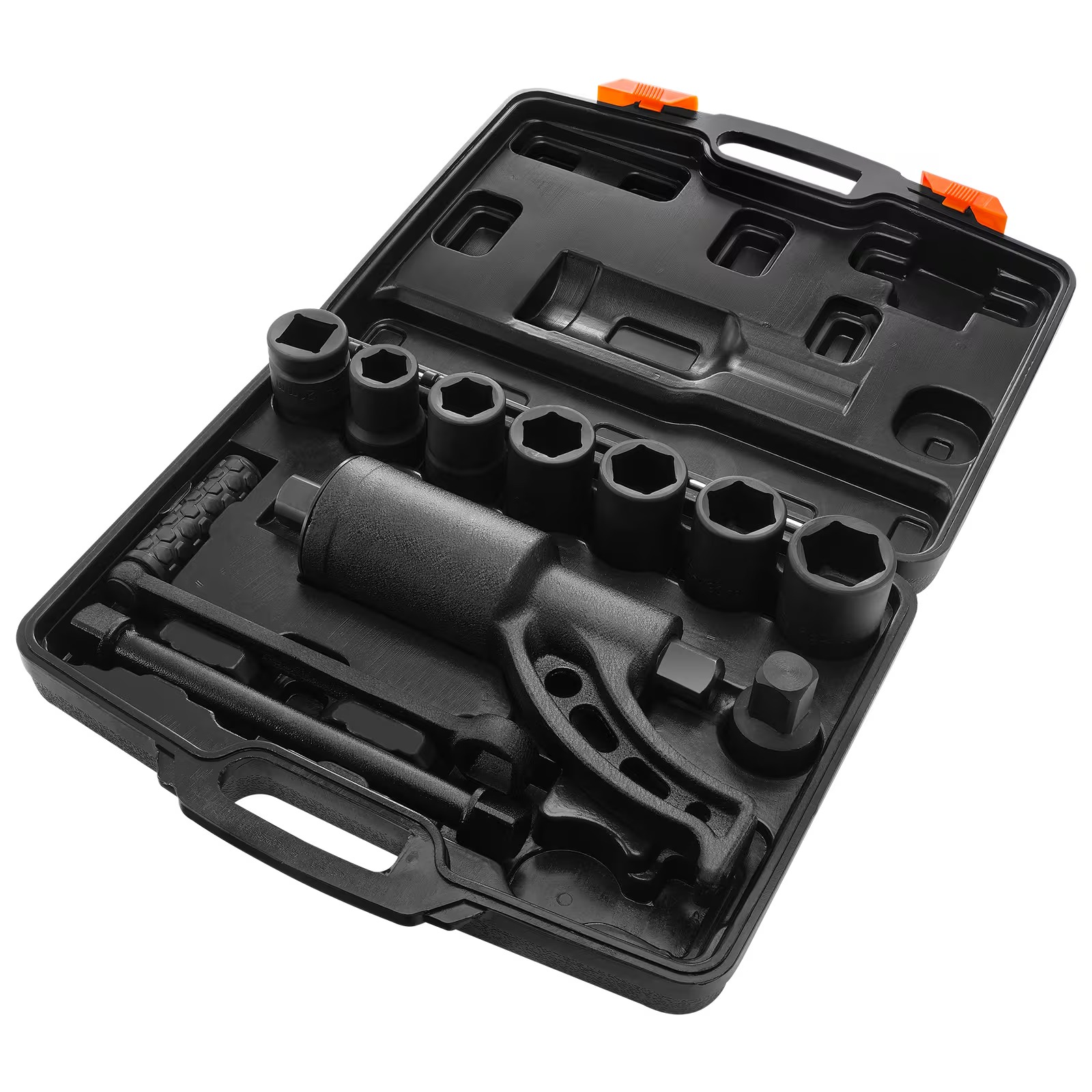
Use only impact-rated sockets and extensions. Standard ones can shatter under multiplied force. Always match socket size exactly to the fastener.
Tighten gradually. Apply force in stages if needed. This helps prevent overtightening. For critical jobs, pair the multiplier with a torque-limiting handle.
After use, clean the tool. Wipe off dirt and grease. Store it in a dry place. Re-lubricate gears periodically per manufacturer instructions.
Never exceed the maximum input torque. Overloading damages internal components. Repairs are costly and downtime hurts productivity.
Following these steps ensures safe, effective results every time.
Maintenance and Long-Term Care for Durability
Keeping Your Torque Multiplier Wrench in Top Shape
Regular cleaning keeps your torque multiplier wrench working smoothly. After each job, wipe down the housing. Remove grime, metal dust, or salt residue. These can corrode surfaces over time.
Inspect moving parts frequently. Open service panels if allowed. Look for signs of gear wear or chipped teeth. Early detection prevents bigger problems.
Lubrication is crucial. Most models need periodic oil or grease application. Use only manufacturer-recommended lubricants. Too much attracts dirt. Too little causes friction and heat.
Check the reaction arm for bends or cracks. It bears constant stress. A weak arm compromises safety. Replace it immediately if damaged.
Store the tool in a protective case. Avoid leaving it in damp or dusty environments. Humidity causes rust. Sand or grit enters gears and accelerates wear.
Calibration should happen annually. Send it to an accredited lab. They verify torque output accuracy. Certified reports help meet industry compliance standards.
Avoid dropping the tool. Hard impacts misalign internal gears. Even small drops affect performance. Handle it with care at all times.
Keep spare parts on hand. Some suppliers offer rebuild kits. Having replacements speeds up repairs.
With proper care, a torque multiplier wrench lasts decades.
 Frequently Asked Questions
Can I Use a Torque Wrench With a Multiplier?
Yes, but only if the multiplier specifies compatibility. Attach the torque wrench to the input end. Set it to the divided value. For a 5:1 multiplier, input 20 ft-lbs for 100 ft-lbs output.
Does It Work for Loosening Bolts Too?
Some models do. Reverse-action types allow loosening. Always secure the reaction arm. Apply slow, steady force to avoid sudden release.
How Accurate Are Torque Multiplier Wrenches?
High-quality ones are within ±5%. Accuracy drops if gears are worn or unlubricated. Regular maintenance preserves precision.
Can I Use Extensions With It?
No, never add extensions to the handle. This alters input force and voids calibration. Only use approved sockets on the drive end.
 Final Thoughts
The torque multiplier wrench is a vital tool for professionals who demand strength, safety, and accuracy. It turns human effort into industrial-level torque without noise or hazards. From offshore platforms to auto shops, it solves tough challenges. Whether you’re securing wind turbines or rebuilding engines, this device delivers unmatched reliability. Ultimately, owning a torque multiplier wrench means doing more with less—less space, less fatigue, and less risk.